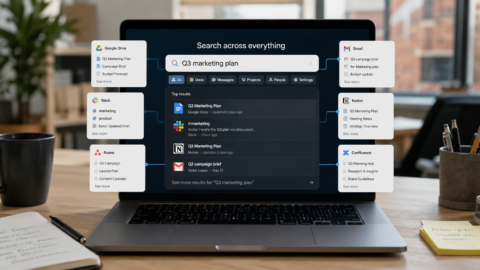


Some people wake up, check their phone, see “12 Slack notifications,” and immediately feel tension before they’ve even left bed.
So they stop looking.
Not forever. Usually just for a while.
Some people make coffee before checking messages now. Others shower first, walk first, stretch first, or finish one small task before opening Slack or email. Some leave their phone facedown across the room until they fully wake up.
“Do Not Disturb” settings, once mostly associated with sleep, are also being used as a small buffer between waking up and stepping into incoming demands and conversations.

The behavior itself is simple and recognizable: delaying notifications on purpose.
For many people, the issue is not just the number of notifications. It is the feeling of being mentally pulled into other people’s priorities too early in the day.
One unread message can quietly expand into:
- unfinished work
- social obligations
- scheduling changes
- conflict
- unexpected requests
- administrative tasks
And all of it can arrive before someone has even made breakfast.
What stands out is how ordinary these routines have become. Many people are not deleting apps or doing dramatic digital detoxes. They are just creating small timing boundaries around when the day starts feeling “open.”
Some mute work apps until 9 a.m. Others hide email badges but keep family chats visible. Some avoid opening one app because they know it will lead to five others.
A person may technically be online while still avoiding Slack for the first hour of the morning. Someone else may read notification previews without opening the app yet, trying to decide whether anything actually needs attention right now.
The behavior often looks less like discipline and more like pacing.

Notifications also do not always arrive emotionally neutral. A message from a manager can feel different from a food delivery update. A cluster of unread emails can change the tone of a morning before someone has even read a single sentence.
Many people recognize this without explaining it in complicated ways. They just know certain apps can shift their attention very quickly.
That recognition shapes small habits.
Some people now separate “waking up” from “becoming reachable.” Others want at least one uninterrupted thought before reacting to incoming information. Even small actions — making the bed first, exercising first, replying after breakfast instead of immediately — can feel like lightweight boundaries around attention.
Importantly, this does not always come from wellness culture or productivity systems.
A lot of it feels improvised.
Someone mutes notifications for a week because mornings started feeling chaotic. Someone notices checking work apps in bed makes it harder to focus afterward. Someone else realizes they simply prefer mornings when conversations begin later instead of immediately upon waking.
Most of these routines seem built through trial and error rather than strict rules.
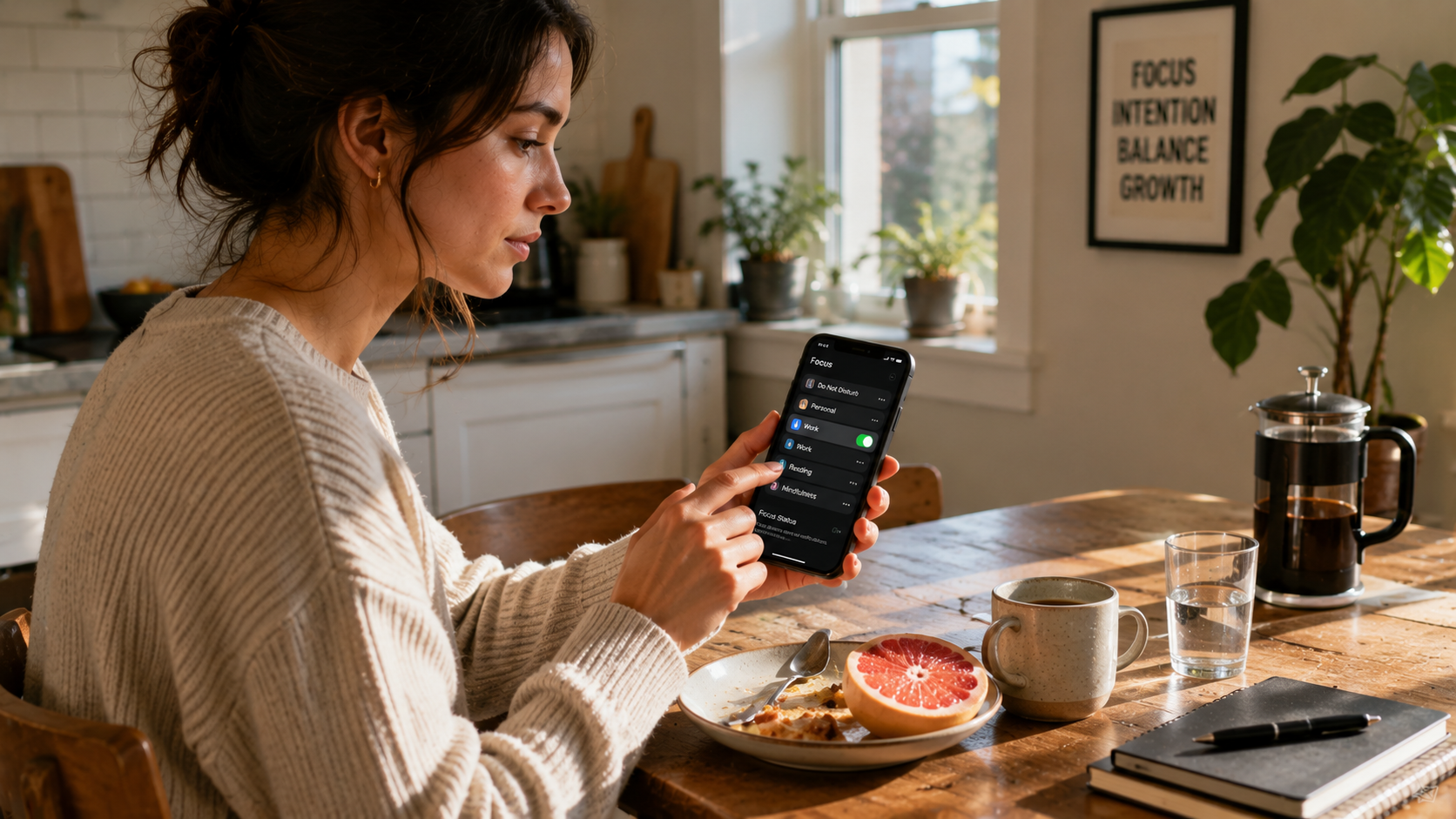
The technology itself is adapting to this behavior. Notification summaries, scheduled delivery, focus modes, sleep modes, and app-specific mute settings all make it easier to delay engagement without disconnecting completely.
Some people will eventually go back to checking everything immediately. Others may keep these routines simply because mornings feel better when their first interaction is not a work notification.
For now, many people seem to want a small gap between waking up and becoming reachable.