
From auto played commentary videos to familiar creators running during chores, YouTube is increasingly being used less like appointment viewing and more like a steady digital backdrop to everyday life.
A lot of people now open YouTube the same way they turn on a fan.
Not always to fully pay attention to it. Sometimes it just makes the room feel less quiet while something else is happening.
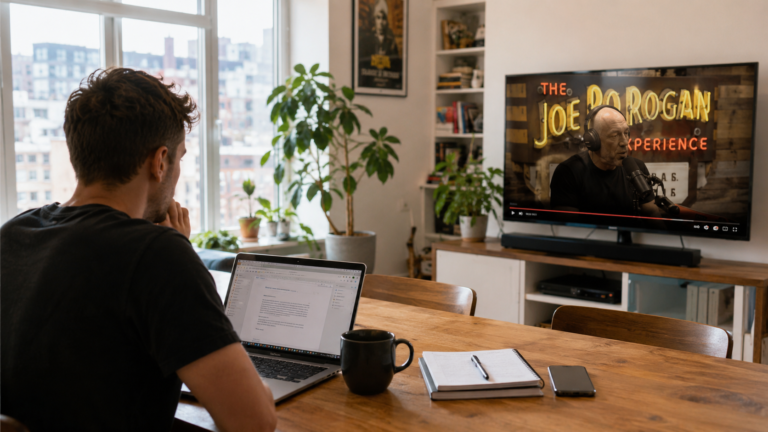
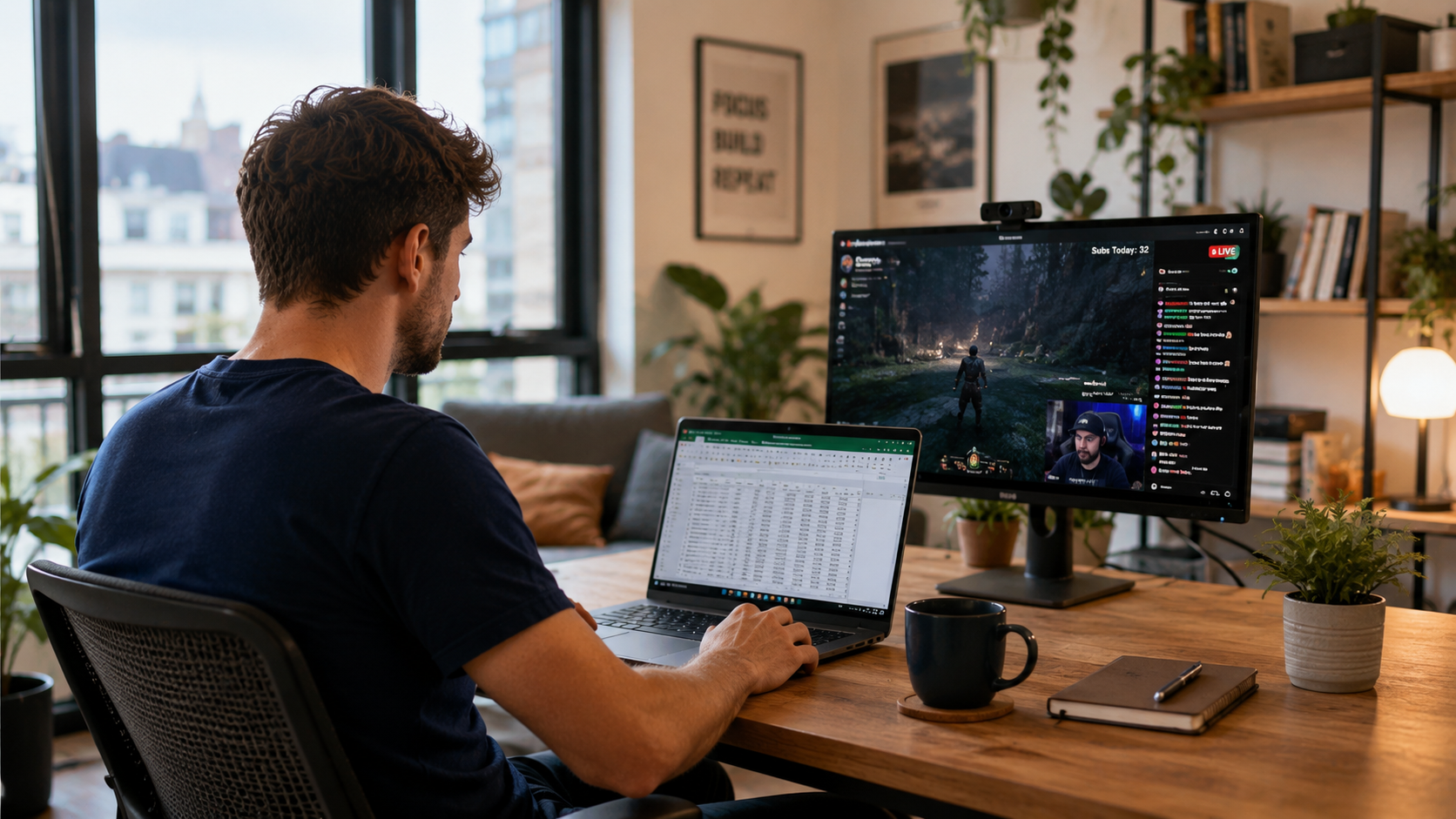
A podcast replay starts while emails are answered. A three-hour gaming stream runs beside an open spreadsheet. Someone cleans the kitchen while half-listening to video essays they will barely remember afterward. Another person falls asleep to commentary videos that continue long after they stop watching.
The videos are technically being “watched,” but often only in pieces.
For many users, YouTube now fits into routines the way background television, radio, or music once did. The difference is that the atmosphere feels personally adjustable.
People choose voices they already know. Topics light enough not to interrupt concentration. Formats that still make sense after missing ten minutes.
Sometimes the content itself feels secondary to the atmosphere it creates.
A person might spend twenty minutes searching for the “right” background video, then barely look at the screen once it starts playing.
That shift feels different from YouTube’s earlier reputation for shorter, more intentional viewing. Many sessions now seem built around partial attention instead.
People pause, rewind, tab away, come back, miss entire sections, then let autoplay continue anyway.
The rise of longer videos fits naturally into this habit. Multi-hour uploads that once seemed excessive make more sense when full concentration is not expected the entire time.
Long podcasts, livestream archives, relaxed gaming videos, and video essays can run for hours without demanding constant visual attention.
In some homes, YouTube now overlaps with part of the background role television once filled. But instead of channel surfing, people build their own familiar rotation.
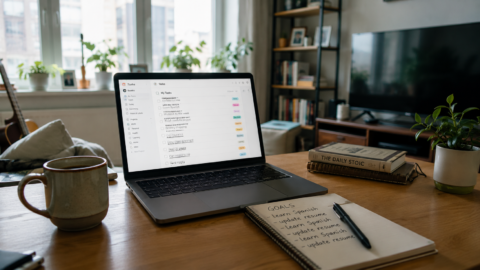
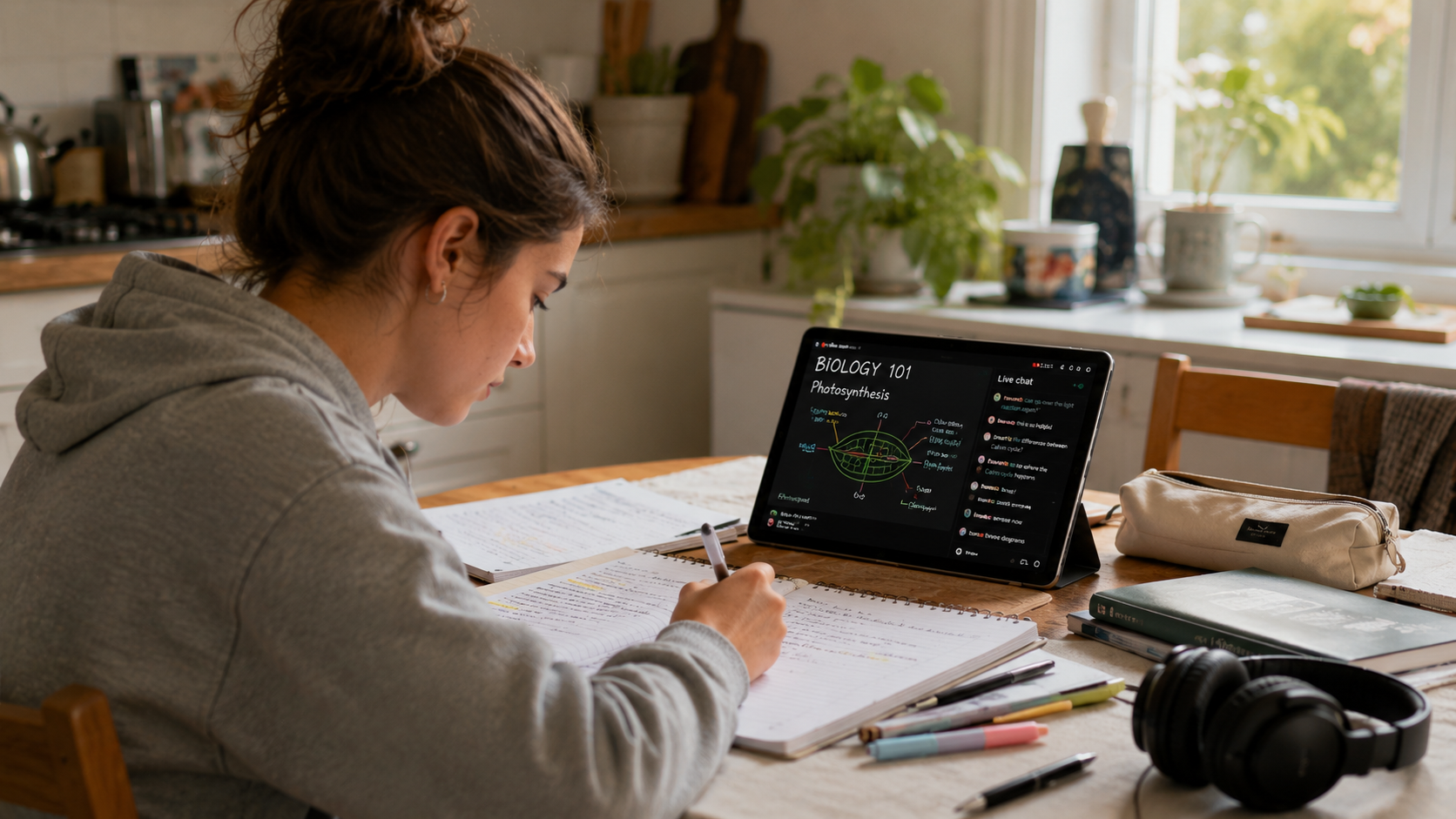
A remote worker cycles through the same creators every week while answering messages or updating spreadsheets. Someone else replays the same cooking channel while making dinner. Study streams run quietly during homework. Livestream archives fill apartments that would otherwise feel silent.
The videos become attached to routines already happening.
For some people, background audio helps them focus. For others, it makes repetitive tasks feel less dull. Some viewers describe certain creators as familiar presences even when they are only half-paying attention.
Others simply dislike silence after years of constant digital noise.
What stands out is how little pressure there often is to fully engage.
People openly leave videos running while scrolling other apps. They miss sections without caring very much. Entire playlists exist mostly for passive listening.
That may also shape what successful YouTube videos look like.
Formats that work well in the background usually do not require constant visual attention. Many creators settle into steady pacing, conversational delivery, long runtimes, and structures that survive interruption well enough for viewers to leave and return without feeling lost.
That does not mean attentive viewing disappeared. The same person might still fully focus on documentaries, live events, highly visual creators, or videos they genuinely care about.
But YouTube also works surprisingly well alongside fragmented attention.
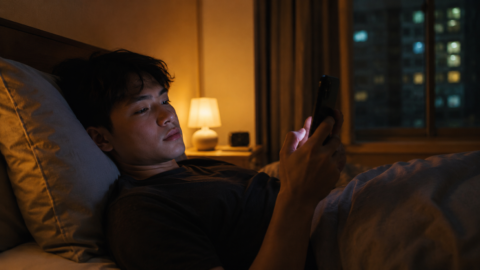
A video starts during breakfast and quietly continues through the morning. Another plays beside someone answering messages in bed. Commentary channels run next to shopping tabs. People fall asleep before the video ends and wake up to autoplay still running.
Rather than demanding uninterrupted focus, YouTube often fits neatly into distracted everyday routines.
And for many people, that may be exactly why it stays on.